Emergency Water Damage Cleanup
Emergency Water Damage Cleanup — The Professional Process (and How It Prevents Bigger Repairs)
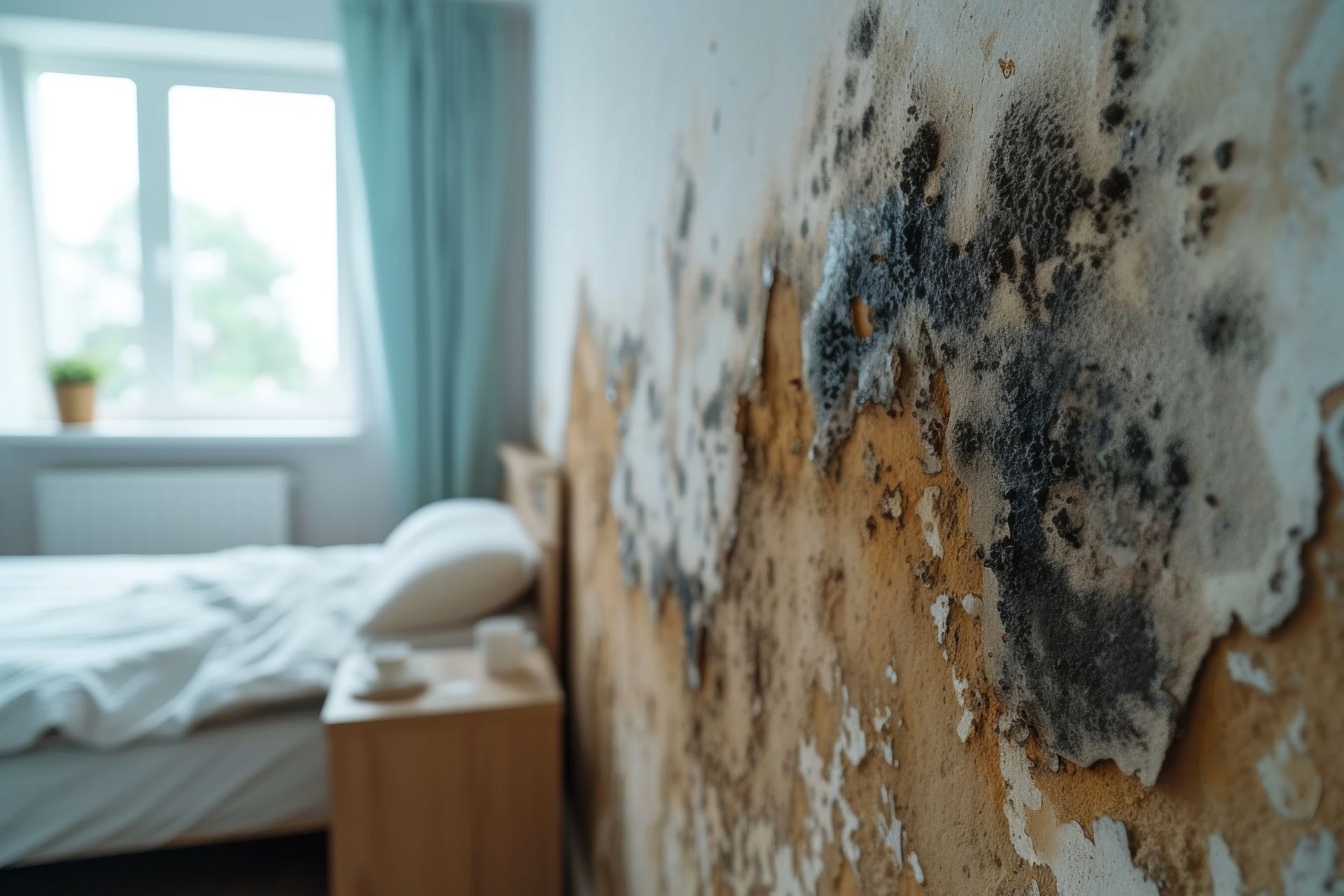
Emergency water damage is stressful because it disrupts everything at once: your daily routine, your property, and often your peace of mind. But once the immediate crisis is under control, the next step is just as important—choosing a cleanup and restoration process that stops moisture at the source and prevents secondary damage.
Below is a clear look at how professional emergency water damage cleanup works, what happens at each stage, and why it’s the best way to protect your home or business long-term.
Hygienic Cleaning & Restoration provides 24/7 emergency response across Suffolk County, NY and handles common water-loss events like burst pipes, flood cleanup, overflow, emergency extraction, and sewage-related incidents.
1) Emergency assessment and moisture detection
The first step is figuring out what happened and how far the water traveled.
A professional team will:
- identify the source (supply line, drain backup, groundwater, appliance failure),
- determine the category/condition of water (clean vs. contaminated),
- map affected materials (drywall, insulation, flooring, framing),
- and take moisture readings to find water you can’t see.
This matters because hidden moisture is often the reason water damage “comes back” weeks later as odors, bubbling paint, or soft flooring.
2) Rapid water extraction
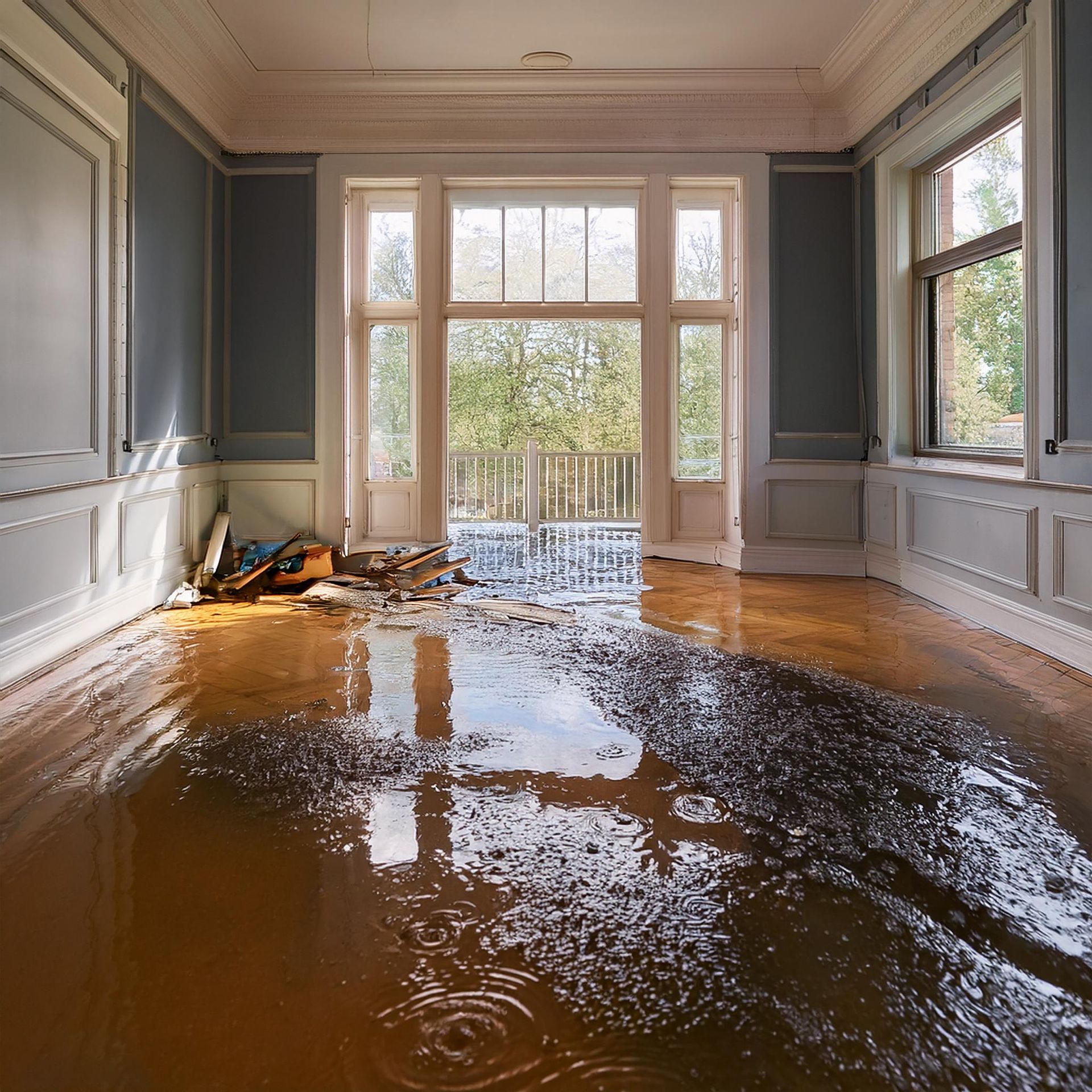
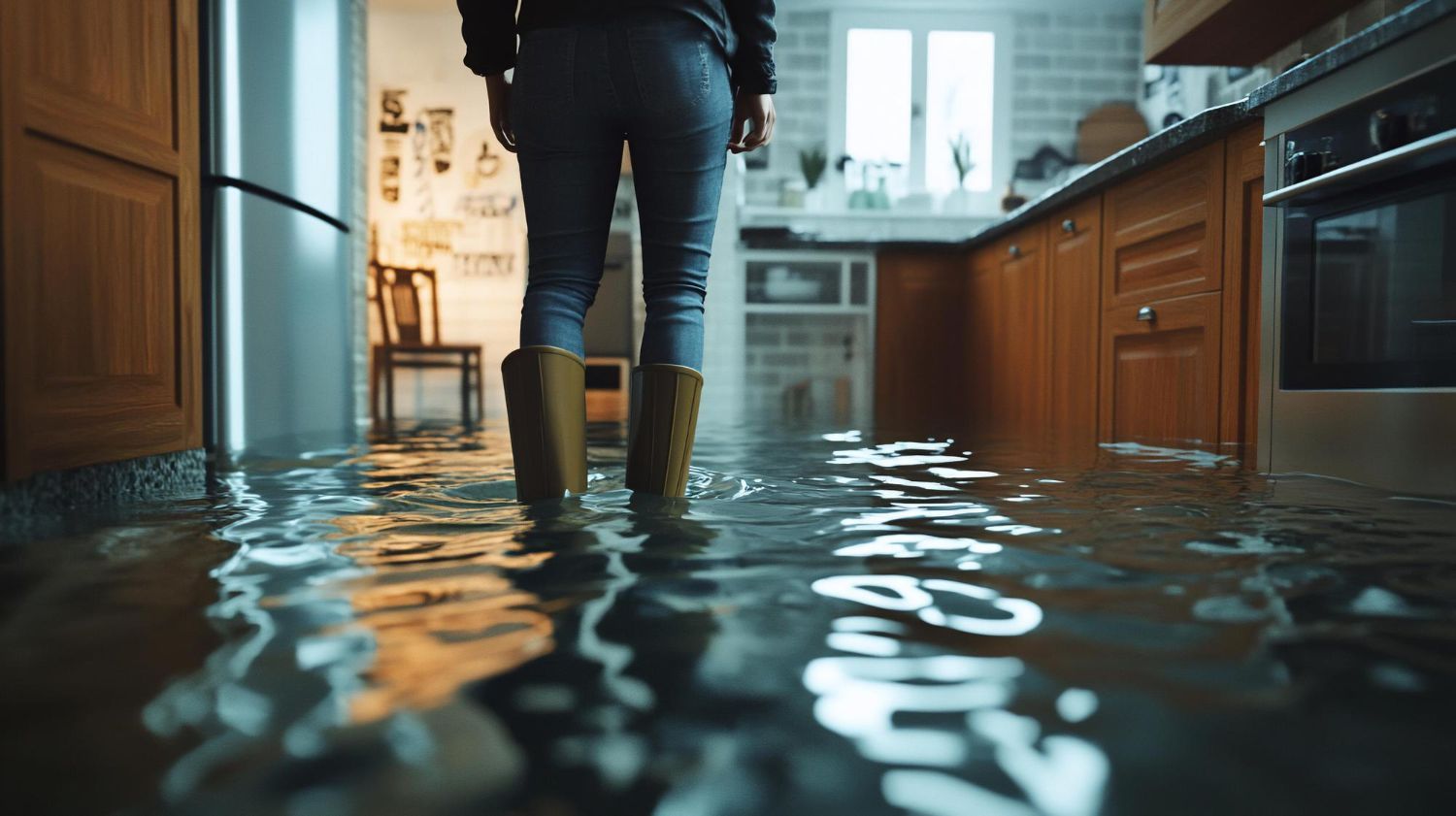
Extraction removes standing water quickly to reduce drying time and prevent further saturation. In true emergency water damage situations—like flooded basements—fast extraction is the difference between “drying and restoring” versus “rip out and replace.”
Hygienic Cleaning & Restoration offers emergency water extraction as part of their water services.
3) Structural drying and dehumidification
After extraction, the real work begins: drying structural components (not just surfaces).
Professional drying typically includes:
- air movers positioned to drive evaporation,
- dehumidifiers to remove moisture from the air,
- controlled temperature and airflow planning,
- and daily monitoring until moisture levels return to safe targets.
This stage is essential for reducing swelling, warping, and material breakdown.
4) Cleaning, sanitizing, and odor control
Not all water damage is “clean.” Overflow from a toilet, sewer line issues, or water that sits too long can introduce contaminants. In those cases, restoration isn’t complete without sanitation.
Hygienic Cleaning & Restoration lists sewage and disinfection cleaning among their restoration services, along with water damage restoration.
5) Repair and restoration (bringing the property back)
Once the structure is properly dried and cleaned, repairs can begin—often including drywall replacement, baseboard restoration, flooring repair, painting, and finishing work. The goal is to return the property to pre-loss condition with no lingering moisture issues behind the scenes.
Why emergency water damage becomes “expensive” when the response is delayed
The biggest cost drivers aren’t always the initial leak—they’re the secondary problems:
- Swollen cabinetry and trim that can’t be saved
- Flooring delamination or buckling
- Stained ceilings and compromised drywall
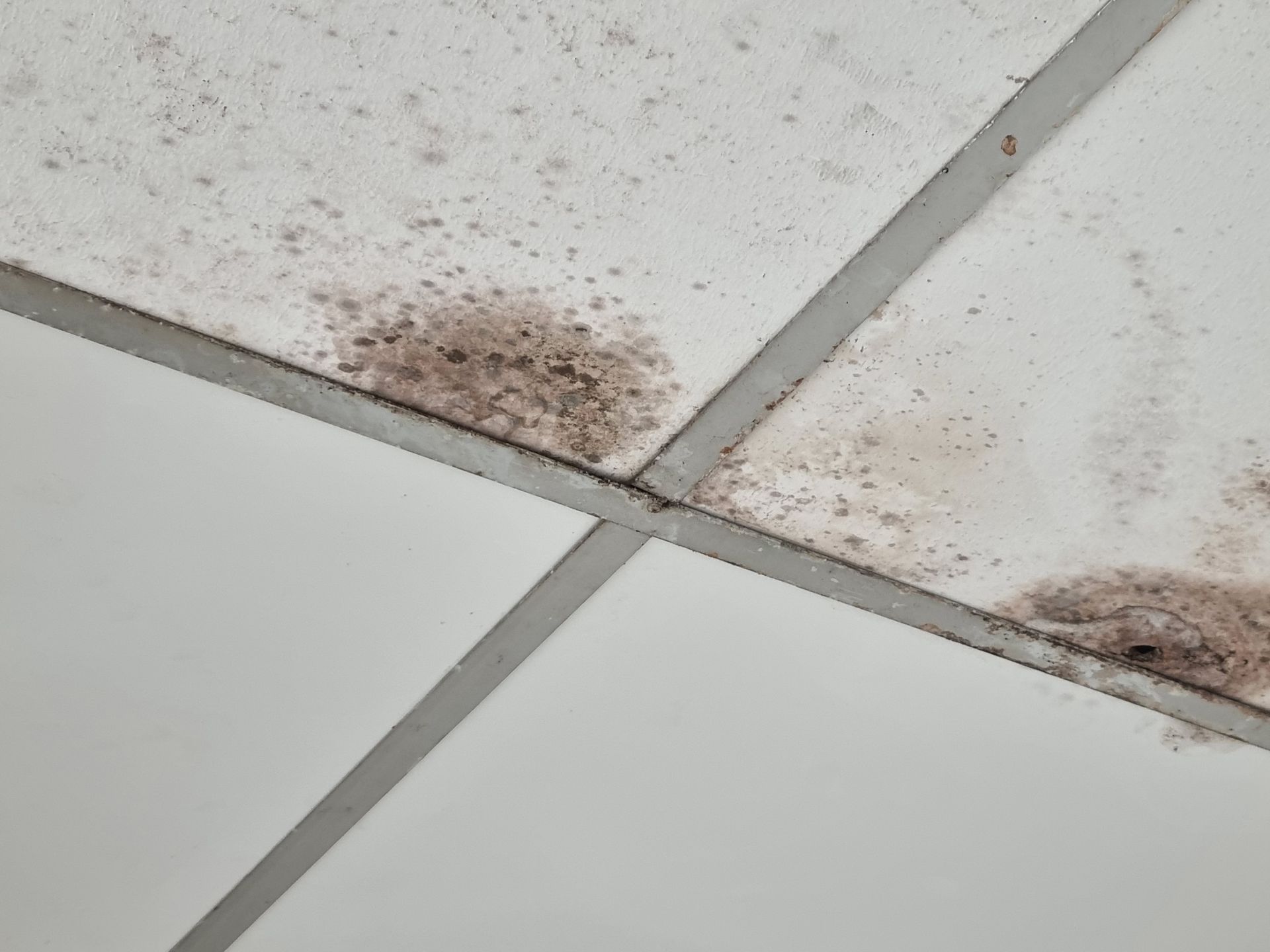
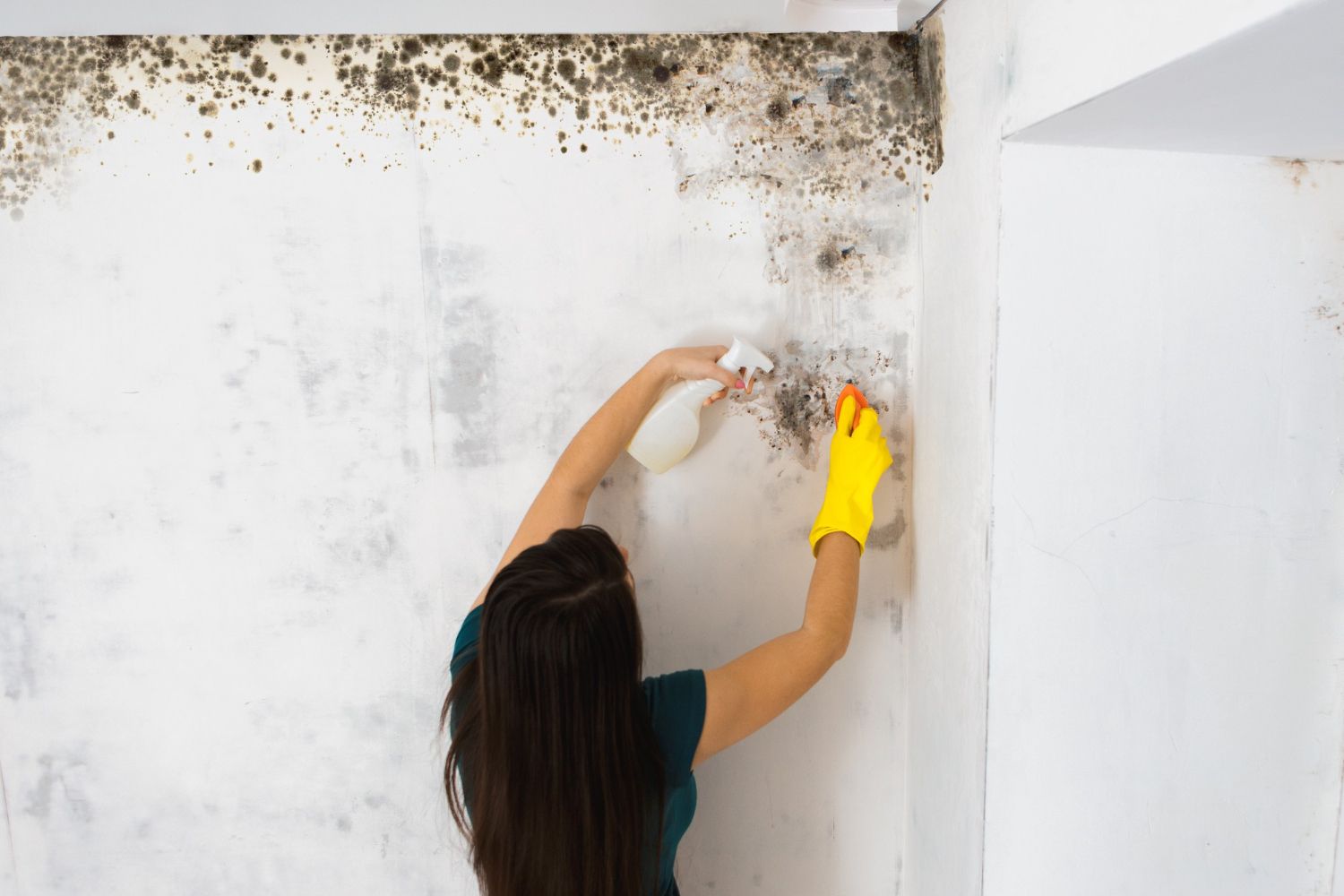
- Mold amplification in damp cavities
Fast mitigation reduces the chance that a relatively contained loss becomes a full rebuild.
Insurance tips: what to do while cleanup is happening
Even if you plan to file a claim, you still need to mitigate damage. Documentation helps, too:
- Take photos/videos before and during cleanup when safe
- Keep receipts for any temporary measures (like fans you bought)
- Record who you spoke with and when
- Maintain an inventory of damaged items
FAQs about emergency water damage cleanup
Do you offer 24/7 emergency response?
Yes—Hygienic Cleaning & Restoration states they provide 24/7 emergency response and free estimates.
Do you help with insurance?
They note insurance-direct billing on many jobs and that they work with insurance companies.
What types of water emergencies do you handle?
Their emergency services list includes burst pipes, flooded basements, flood cleanup, sewage, emergency water extraction, and water overflow.
What if I think it’s “not that bad”?
If materials are wet, it’s worth getting moisture checked. What looks minor can be extensive behind walls or under floors.
If you’re facing emergency water damage in Suffolk County, NY
Reach out to
Hygienic Cleaning & Restoration for professional mitigation, drying, and restoration support—so you can stop the damage now and avoid bigger repairs later.