Emergency Water Damage in Suffolk County, NY
Emergency Water Damage in Suffolk County, NY
— What to Do in the First Hour (and Why It Matters)
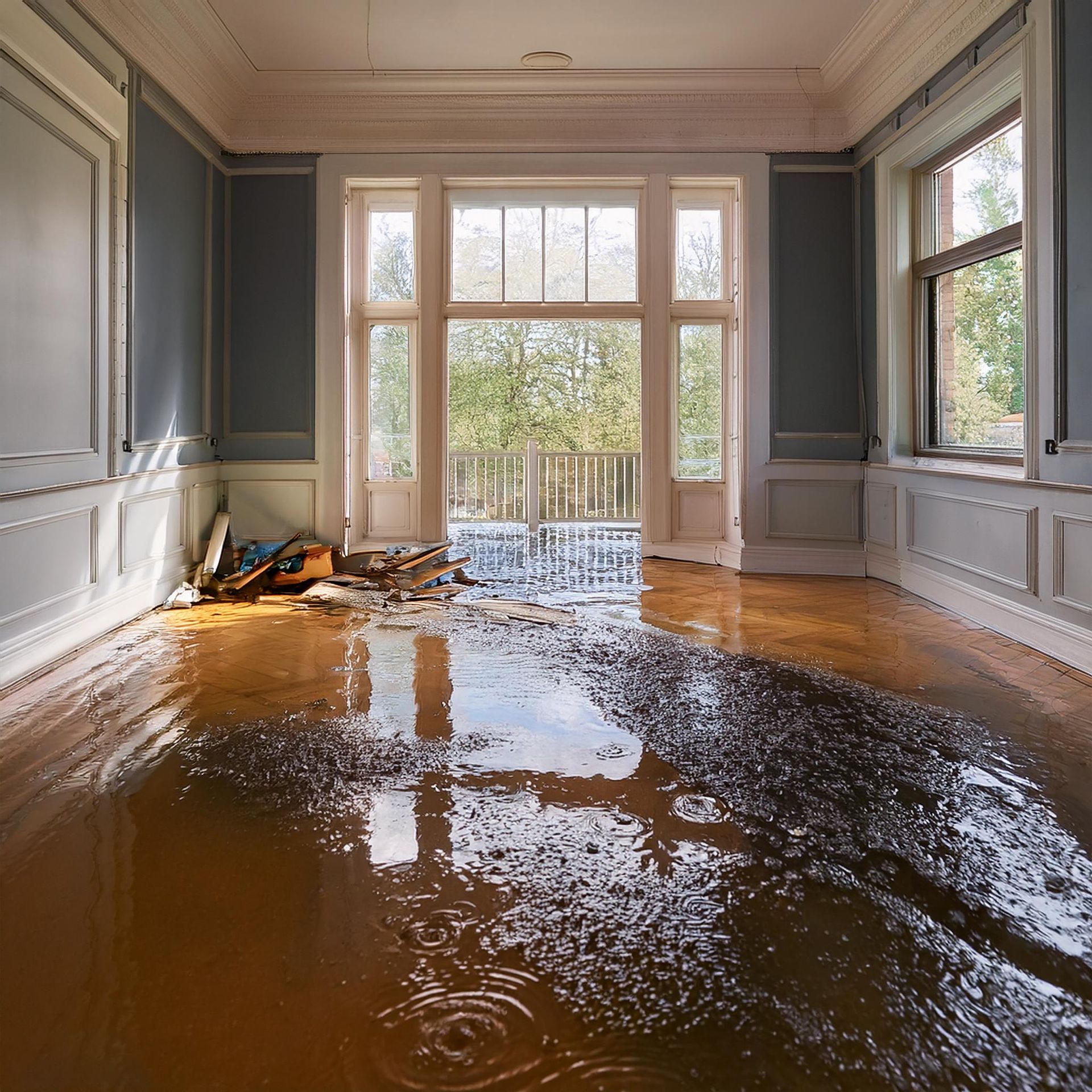
When emergency water damage hits your home or business, minutes matter. Water spreads fast, seeps into drywall and subfloors, and can create hidden moisture pockets that lead to warped materials, odors, and mold growth. The good news: if you act quickly and follow a clear plan, you can limit damage, reduce repair costs, and get your property back to normal sooner.
At Hygienic Cleaning & Restoration, we provide 24/7 emergency response for water-related losses across Suffolk County, NY, including situations like burst pipes, flooded basements, overflow incidents, and sewage-related water damage.
Step 1: Make it safe first (before you touch anything)
With emergency water damage, safety comes before cleanup.
- Shut off the water source (main valve) if the leak is active.
- Avoid electrical hazards: if water is near outlets, electrical panels, or appliances, do not enter that area until power is safely addressed.
- Watch for slip and fall risks and unstable ceilings (especially after upstairs leaks).
If you’re unsure whether it’s safe to stay inside, step outside and contact a restoration professional right away.
Step 2: Stop the spread and protect what you can
Once the water source is stopped and it’s safe:
- Move valuables, electronics, rugs, and small furniture to a dry area.
- Use towels to block doorways or slow water movement into adjacent rooms.
- If you can do so safely, place aluminum foil or wood blocks under furniture legs to reduce staining and swelling.
These small steps can make a real difference while help is on the way.
Step 3: Document the damage (your future self will thank you)
Insurance claims are often smoother when your documentation is clear and thorough. Hygienic Cleaning & Restoration also shares these best practices for documenting water damage:
- Take photos and videos immediately, including wide shots and close-ups.
- Make a basic inventory list of visibly damaged items.
- Save emails, notes, and claim details from all conversations.
Documentation doesn’t replace professional assessment, but it supports it—especially if damage worsens over time.
Step 4: Don’t rely on “just fans” (professional drying is different)
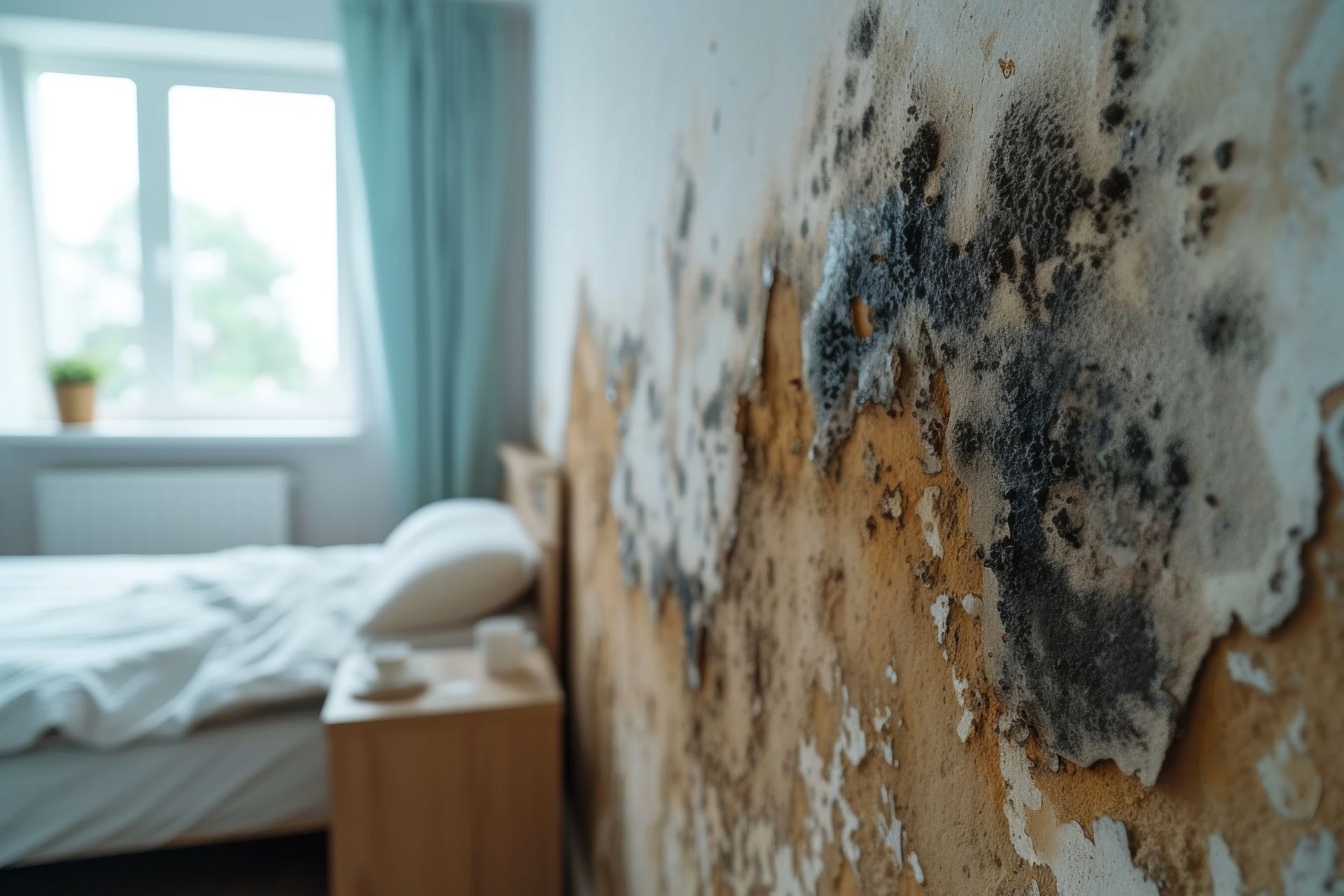
A common mistake with emergency water damage is thinking the area is dry because the surface looks dry. Water hides behind baseboards, under flooring, inside insulation, and within wall cavities. If moisture is left behind, it can:
- weaken building materials,
- create persistent odors,
- and increase the risk of microbial growth.
Professional restoration teams use commercial extraction, moisture meters, and targeted drying equipment to find and address hidden moisture—not just what you can see.
Step 5: Call a restoration team early (even if you’re “not sure”)
When water damage is fresh, you typically have more options—and fewer complications. Hygienic Cleaning & Restoration provides emergency water extraction and restoration in Suffolk County, NY, with free estimates, insurance support, and IICRC-certified service.
Early response helps with:
- fast water removal,
- controlled drying and dehumidification,
- cleaning/sanitizing (especially after sewer or contaminated water),
- and preventing secondary damage like swelling, delamination, and staining.
Emergency water damage scenarios we commonly see in Suffolk County
Every property is different, but these are some of the most frequent causes we respond to:
- Burst pipes and supply line failures
- Flooded basements and storm-related intrusion
- Water overflow from tubs, sinks, or appliances
- Sewage incidents requiring specialized cleanup
FAQs about emergency water damage
How fast should I respond to water damage?
Immediately. The sooner you start mitigation, the less likely you’ll face avoidable repairs and long drying times.
Do you help with insurance claims?
Yes—Hygienic Cleaning & Restoration notes they work with insurance and offer insurance-direct billing on many jobs.
What if I only see a small wet spot?
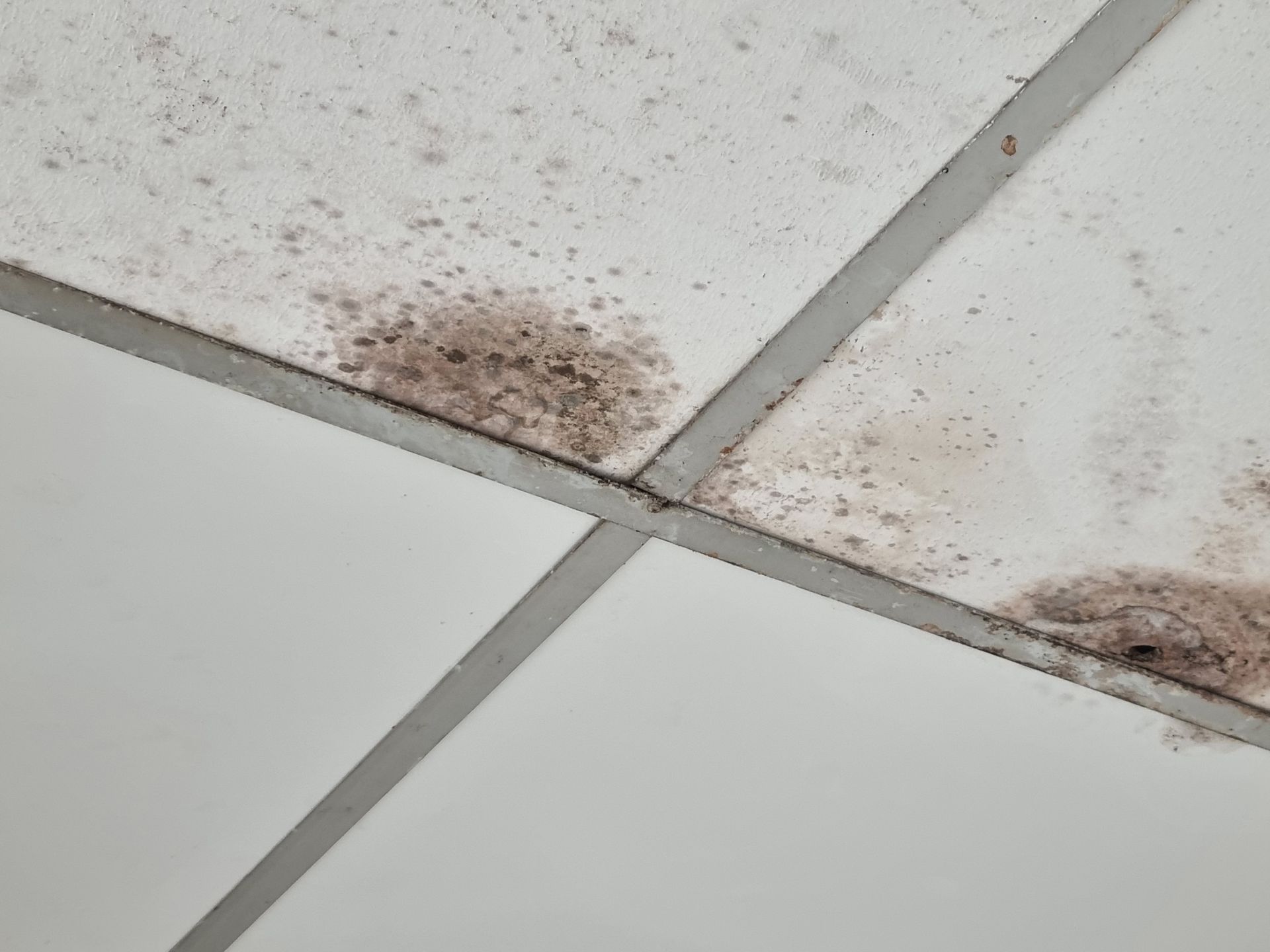
Small spots can hide larger wet areas behind the wall or ceiling. A professional moisture check is the best way to confirm the full scope.
What should I avoid doing?
Avoid running household vacuums on standing water, tearing out materials without a plan, or turning on power in wet areas.
Need help now?
If you’re dealing with
emergency water damage in Suffolk County, NY, contact
Hygienic Cleaning & Restoration for fast mitigation, drying, and restoration support—day or night.