
Flooded Basement Cleanup in Suffolk County, NY
A flooded basement can go from a minor inconvenience to a serious structural and health hazard within hours. At Hygienic Cleaning & Restoration, we provide rapid basement water removal and full structural dry-out for homeowners across Suffolk County. Our team arrives on-site with the commercial equipment needed to extract standing water, assess moisture levels, and begin the recovery process before secondary damage takes hold.
Suffolk County Basement Water Damage
What Happens When Your Basement Floods
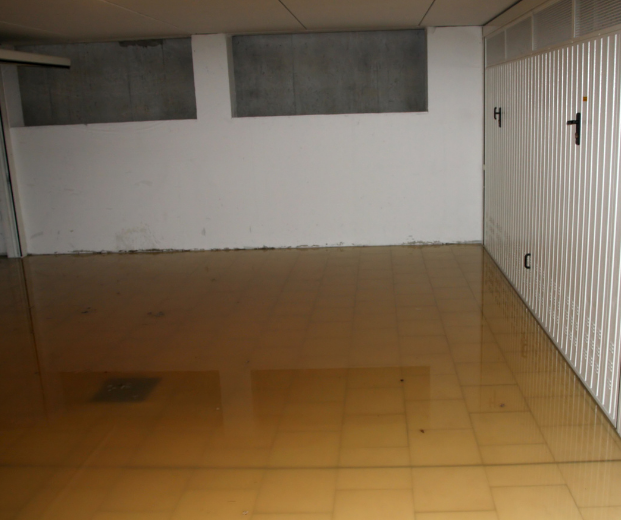
Basement flooding can come from many directions: severe storms, sump pump failures, burst pipes during bitter cold weather, or sudden appliance failures. Whatever the source, water in a sub-grade space creates conditions that worsen quickly. Moisture seeps into concrete, framing, and insulation, and without professional intervention, mold can begin to develop within 24 to 48 hours. Our basement cleanup services address the full scope of the problem, from initial water extraction to structural repairs, so nothing is left behind to cause long-term damage.

Our Restoration Process
From Standing Water to a Dry, Safe Basement
Our flooded basement restoration process starts the moment we arrive on-site. First, we use high-volume extraction equipment to remove standing water as quickly as possible. From there, we deploy commercial-grade dehumidifiers and moisture sensors to map the full extent of water intrusion, including areas that are not visible to the naked eye. Structural debris is cleared, affected materials are assessed, and targeted drying begins. We document every step of the process, which supports your insurance claim and gives you a clear record of the work completed. Our goal is to return your basement to its pre-loss condition.
Why Act Fast
Secondary Damage Starts Sooner Than You Think
Basement water damage does not stop spreading once the initial flood recedes. Water continues to migrate through porous materials, and humidity trapped in a closed sub-grade space accelerates mold growth and structural deterioration. Homeowners who wait even a day or two before calling a professional often face a significantly larger scope of work. Our 24/7 emergency response and 90-minute arrival goal for Suffolk County means you do not have to wait. The faster basement water removal begins, the better the outcome for your property and your insurance claim.

Insurance and Documentation
We Handle the Paperwork So You Do Not Have To
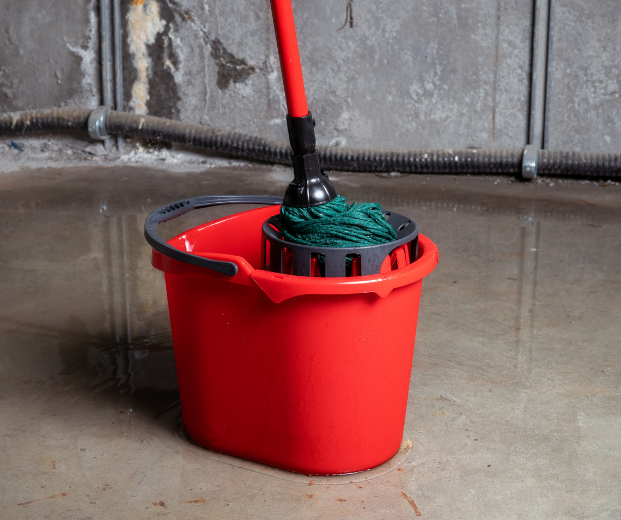
Filing an insurance claim after a basement flood is stressful, especially when you are already dealing with the physical damage. Our team documents losses thoroughly from the moment we arrive, creating an accurate record of affected areas, moisture readings, and completed work. We assist with claim coordination and provide the insurance-ready documentation your carrier needs to process your claim accurately. This reduces the administrative burden on you and helps ensure the restoration work is properly covered.
Basement Flood Questions Answered
Common Questions About Basement Cleanup Services
How quickly can you respond to a flooded basement in Suffolk County?
Our emergency response goal is to arrive on-site within 90 minutes of your call anywhere in Suffolk County. We operate 24 hours a day, 7 days a week, including during severe weather events and cold spells when burst pipes and sump pump failures are most common. The faster water removal begins, the less secondary damage your basement will sustain, so getting a crew on-site quickly is one of the most important parts of the entire process.Is it safe to enter my basement while it is flooded?
A flooded basement carries real risks, including electrical hazards from submerged outlets or appliances, structural instability, and potential exposure to contaminants if the water source involves sewage or an old oil tank. It is generally safest to stay out until a professional has assessed the space. Our team conducts on-site diagnostics before beginning any work to identify hazards and determine the safest course of action for both the crew and the homeowner.What equipment do you use for basement water removal?
We use commercial-grade, high-volume extraction units to remove standing water quickly, followed by industrial dehumidifiers and moisture sensors to locate and eliminate hidden moisture in walls, floors, and structural materials. Moisture mapping guides our drying strategy so no wet material is left behind. This approach is designed for the demands of sub-grade water damage, where moisture can migrate into areas that are not immediately visible to the eye.Will you work directly with my insurance company after a basement flood?
Yes. We assist with insurance claim coordination as part of our standard process. From the moment we arrive, we document the loss with detailed records of affected areas, moisture readings, and completed work. This documentation is formatted to meet the requirements of insurance carriers and gives your adjuster an accurate picture of the damage. Our goal is to reduce the paperwork burden on you while helping ensure the restoration work is properly covered by your policy.Can a flooded basement lead to mold growth, and how is it prevented?
Yes, mold can begin developing in a flooded basement within 24 to 48 hours if moisture is not properly addressed. Our structural dry-out process uses commercial dehumidifiers and moisture sensors to bring humidity levels down to a safe range throughout the entire affected area, not just the surface. By thoroughly drying all materials and documenting the process, we reduce the conditions that allow mold to take hold. If mold is already present, we also offer certified mold remediation as a separate service.Do you handle basement flooding connected to old or abandoned oil tanks?
Lingering odors and residue from abandoned oil tanks are a known issue for homeowners in Suffolk County. Our core scope for basement cleanup covers water extraction, structural dry-out, and repairs following flood events. The specific remediation required for oil tank contamination depends on the conditions found on-site. Our team conducts on-site diagnostics to assess the situation and determine the appropriate course of action based on what is actually present.What does the structural dry-out process involve after a basement flood?
Structural dry-out goes beyond removing visible water. After high-volume extraction clears standing water, we use commercial dehumidifiers and moisture sensors to identify and address moisture that has penetrated concrete, framing, insulation, and other building materials. The drying process is monitored over time using moisture readings to confirm that all affected areas reach an acceptable level before any repairs begin. This technical approach is what separates professional basement water damage restoration from basic water removal.
REVIEWS
Trusted by Homeowners Across Suffolk County