
Mold Remediation Services in Suffolk County, NY
Mold is more than a surface problem. Left untreated, it spreads through walls, flooring, and structural materials, creating serious health risks and long-term property damage. Hygienic Cleaning & Restoration provides professional mold remediation services for homeowners across Suffolk County, combining certified environmental assessment with proven bio-remediation techniques to return your property to a clean, healthy, and habitable state.
Suffolk County Mold Removal and Remediation
A Complete Approach to Mold Damage Restoration
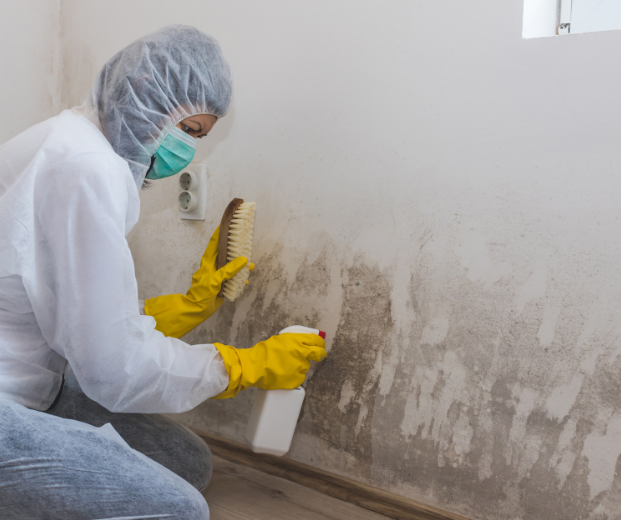
Effective mold damage restoration starts with finding the source, not just treating what is visible. Our process begins with a certified environmental assessment to identify exactly where moisture is entering your home and where mold growth has taken hold. From there, our team performs targeted bio-remediation to eliminate the contamination at its root, followed by full sanitization of affected areas. Every job is documented thoroughly, giving you a clear record for insurance purposes and peace of mind that the work was done right.
Why Mold Spreads Faster Than You Think
The Risk of Waiting on Professional Mold Cleanup
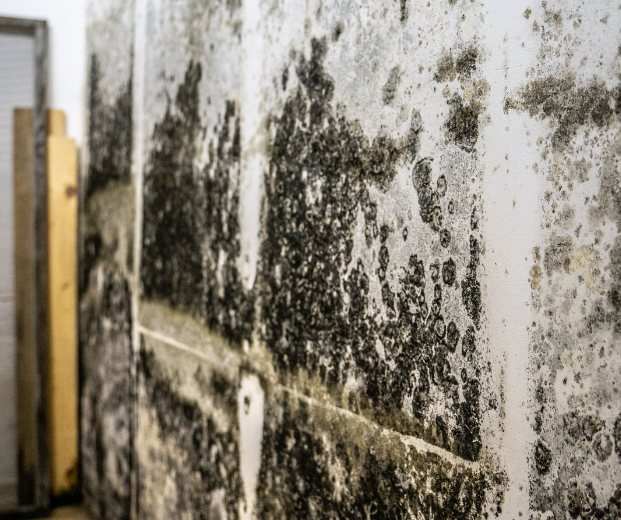
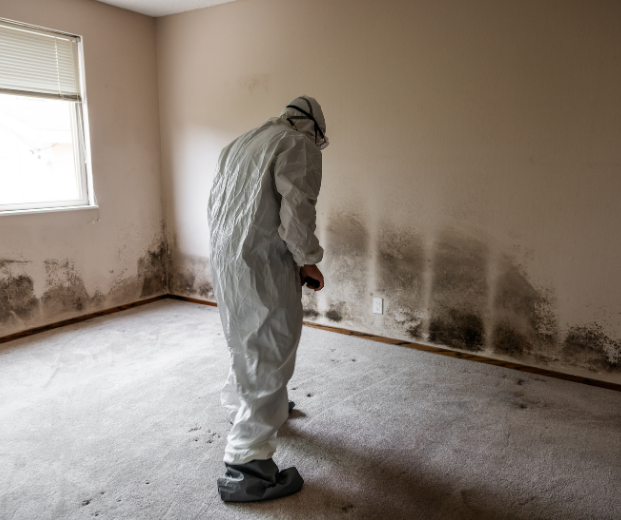
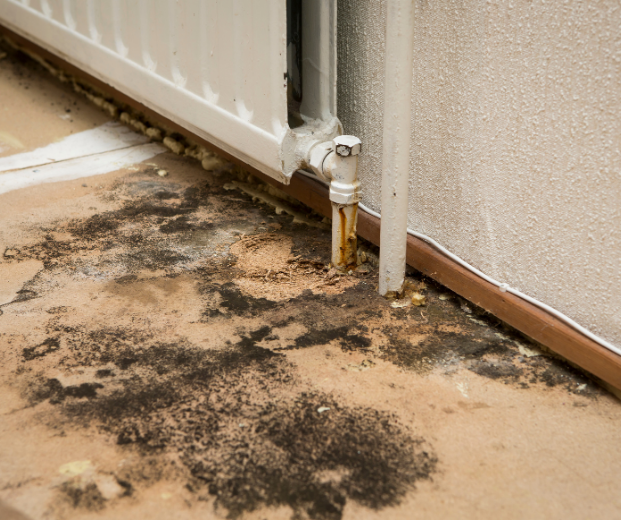
Mold can begin growing within 24 to 48 hours after water intrusion. Whether the source is a burst pipe, a flooded basement, or residual moisture from a previous leak, the conditions for mold growth can develop quickly and silently behind walls and under flooring. By the time visible growth appears, the problem has often already spread well beyond what is seen. Professional mold cleanup addresses both the visible contamination and the underlying moisture conditions that allowed it to develop. Skipping that step leaves your home vulnerable to regrowth, no matter how thorough the surface cleaning appears.
Long-Term Protection for Your Home
Mold Damage Repair and Prevention Solutions
Removing existing mold is only part of the job. Hygienic Cleaning & Restoration also provides mold damage repair and long-term preventative solutions to reduce the likelihood of regrowth. After bio-remediation is complete, we identify structural vulnerabilities and moisture pathways that contributed to the problem. Addressing these factors is what separates a lasting fix from a temporary one. Our goal is to restore your property to pre-loss condition and keep it there, so you are not dealing with the same issue months down the road.
Mold Remediation and Your Insurance Claim
We Handle the Documentation So You Do Not Have To
Filing an insurance claim for mold damage can feel overwhelming on top of an already stressful situation. Our team assists with loss documentation from the start, providing the detailed records your insurance carrier needs to process your claim accurately. We work directly alongside the claims process, handling the paperwork and documentation burden so you can focus on your family and your home. This insurance advocacy is a core part of how we serve Suffolk County homeowners, not an add-on.
Mold Remediation Questions, Answered
What Suffolk County Homeowners Ask About Mold Removal
How quickly can mold start growing after water damage in my home?
Mold can develop rapidly after water intrusion if excess moisture is not properly addressed. This is why a rapid response following a flood, burst pipe, or appliance failure is so important. Prompt water extraction and thorough structural drying help reduce the conditions that allow mold to grow. Moisture can remain inside walls, flooring, and other building materials even when surfaces appear dry, making professional assessment and complete drying an important part of the restoration process.What does a certified mold assessment actually involve?
A certified mold assessment is the first step in our mold remediation process. We inspect the affected property to identify mold growth, locate the moisture source, and determine the extent of the problem. Using commercial moisture sensors, we can detect hidden moisture behind walls and beneath flooring that may not be visible during a standard inspection. This information guides the remediation process and helps ensure the underlying moisture issue is addressed rather than only the visible mold.Can mold grow back after it has been professionally removed?
Mold can return if the underlying moisture source is not fully addressed. This is one of the most common reasons homeowners experience repeat mold problems after a basic cleanup. Our approach includes identifying and addressing the moisture pathways and structural vulnerabilities that allowed mold to develop in the first place. By combining bio-remediation with long-term preventative solutions, we work to reduce the conditions that support regrowth, not just remove what is currently visible.Is my home safe to occupy while mold remediation work is underway?
Whether a home is safe to occupy during remediation depends on the extent of mold growth, the areas affected, and the property's overall condition. Our team performs a certified mold assessment to evaluate the situation and determine the appropriate remediation approach. The objective of the remediation process is to identify the moisture source, eliminate mold growth, and restore the property to a safe, habitable condition.Do you help with insurance claims for mold damage?
Yes. Documenting losses for insurance is a standard part of how we work. From the initial assessment through the completion of remediation, we maintain detailed records of the damage, the scope of work performed, and the results. This documentation is provided in a format that supports your insurance claim and reduces the back-and-forth with your carrier. We assist with the paperwork side of the process so that the administrative burden does not fall entirely on you during an already difficult time.How do you handle mold in a basement after a flood or oil tank issue?
Basements present specific challenges for mold remediation because they are often poorly ventilated and prone to residual moisture from multiple sources, including floods, leaks, and older oil tank residue. Our team performs sub-grade moisture extraction and structural dry-out as part of the remediation process, addressing the damp conditions that allow mold to thrive below grade. We also identify ongoing moisture entry points to reduce the risk of the problem returning after remediation is complete.How long does the mold remediation process typically take?
The timeline depends on the size of the affected area, the severity of the contamination, and how deeply the mold has penetrated structural materials. Smaller, contained jobs can often be completed more quickly, while extensive growth that has spread through walls or flooring requires more time to address thoroughly. During the initial on-site assessment, we can give you a clearer picture of the scope of work involved and what to expect in terms of duration.What makes professional mold cleanup different from using store-bought products?
Store-bought mold products treat surface growth but do not reach mold that has penetrated porous materials like drywall, insulation, or wood framing. They also do nothing to address the moisture source driving the growth. Professional mold cleanup uses commercial-grade equipment and bio-remediation techniques to eliminate contamination at a structural level. The process includes moisture mapping to confirm that drying is complete, along with full documentation of the work performed, which a DIY approach cannot provide.
REVIEWS
What Our Customers Say About Our Mold Remediation Services